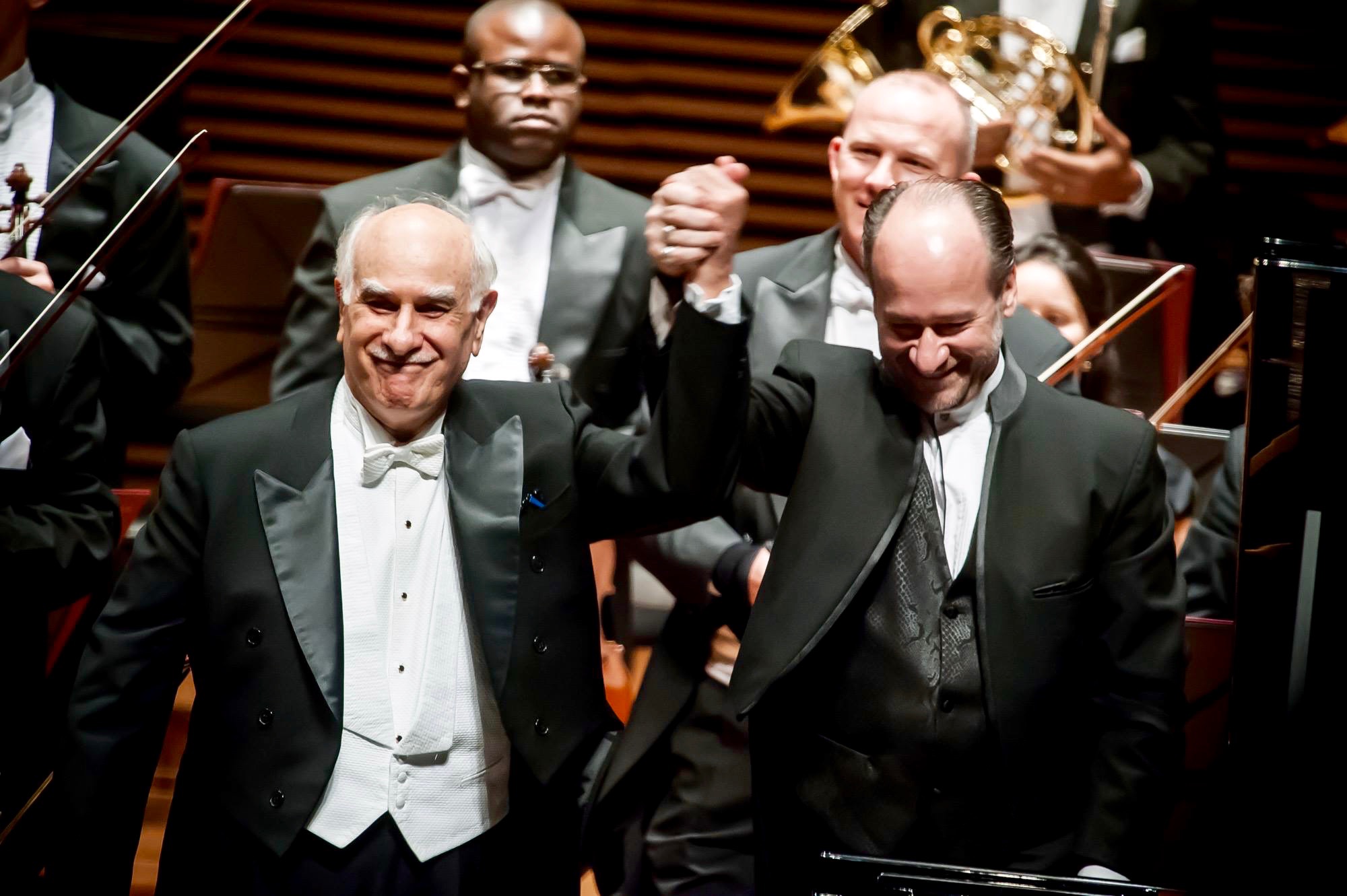
CAIO PAGANO, Biography
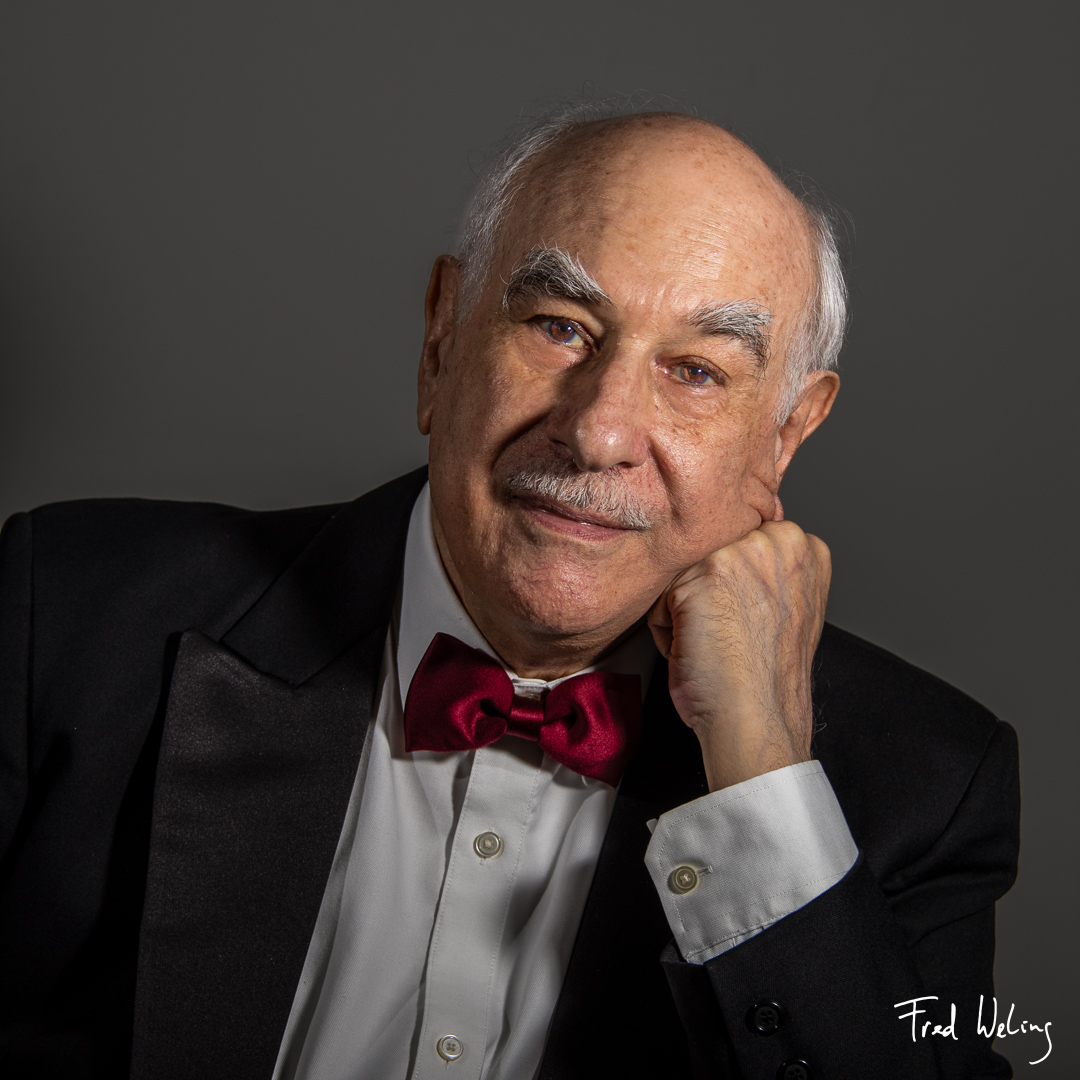
CAIO PAGANO was born on May 14, 1940, in São
Paulo, Brazil. He began his piano studies at the age of eight
with Lina Pires de Campos at the Magda Tagliaferro School, and
at 16, he soloed with the Brazilian Symphony Orchestra under the
baton of Eleazar de Carvalho. He then spent several years in
additional studies in Europe, working with Tagliaferro (Paris
and Salzburg), Sequeira Costa (Lisbon), Helena Costa (Porto),
Karl Engel (Hanover), and Conrad Hansen (Hamburg).
He was soon performing extensively across the world, eventually working with conductors such as Morton Gould, John Neschling, Isaac Karabtchewsky, Sergiu Comissiona, Clotilde Otranto, Jorge Sarmientos, Camargo Guarnieri, Paul Freeman, Ivo Cruz, Howard Griffiths, and Szymon Goldberg. He has also appeared with orchestras such as the São Paulo State Symphony, the Baltimore Symphony, the National Symphony of Washington, Orchestre philharmonique de radio France, the Phoenix Symphony, and the National Orchestras of Guatemala, Portugal, and the Czech Republic.
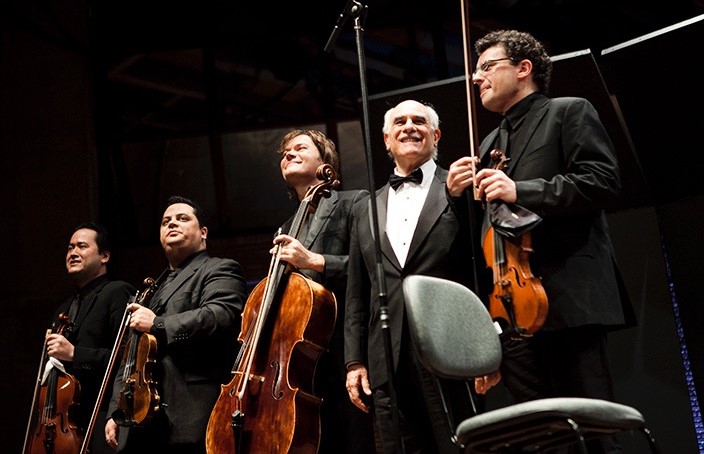
Some of the notable venues where he has performed include Alice Tully Hall (New York), the Kennedy Center (Washington), Wigmore Hall (London), Cecília Meirelles Hall in Rio de Janeiro, and the Concertgebouw in Amsterdam. He has also performed alongside internationally renowned musicians such as Maria João Pires, Emmanuele Baldini, Gérard Caussé, Pierre Fournier, János Starker, Thomas Friedli, Albor Rosenfeld, and with ensembles such as the St. Petersburg Quartet and the Jacques Thibaud Trio.
He was soon performing extensively across the world, eventually working with conductors such as Morton Gould, John Neschling, Isaac Karabtchewsky, Sergiu Comissiona, Clotilde Otranto, Jorge Sarmientos, Camargo Guarnieri, Paul Freeman, Ivo Cruz, Howard Griffiths, and Szymon Goldberg. He has also appeared with orchestras such as the São Paulo State Symphony, the Baltimore Symphony, the National Symphony of Washington, Orchestre philharmonique de radio France, the Phoenix Symphony, and the National Orchestras of Guatemala, Portugal, and the Czech Republic.
Some of the notable venues where he has performed include Alice Tully Hall (New York), the Kennedy Center (Washington), Wigmore Hall (London), Cecília Meirelles Hall in Rio de Janeiro, and the Concertgebouw in Amsterdam. He has also performed alongside internationally renowned musicians such as Maria João Pires, Emmanuele Baldini, Gérard Caussé, Pierre Fournier, János Starker, Thomas Friedli, Albor Rosenfeld, and with ensembles such as the St. Petersburg Quartet and the Jacques Thibaud Trio.
He began his teaching career in 1963 at the PróArte Music
Seminars in São Paulo, and in 1970 he became a professor at the
Music Department of ECA-USP, where he created the International
Music Biennial in 1974.
In 1981, he moved to the United States to pursue a Doctorate in Music at The Catholic University of America, a degree he obtained in 1984. That same year, he became a visiting professor at Texas Christian University and in 1986, he joined the faculty of Arizona State University, where he currently holds the distinguished rank of Regents' Professor in the School of Music.
In Portugal he has also served as the artistic director of the Belgais Center for the Arts from 2001 to 2002, Piano Studies Coordinator at the Polytechnic Institute of Castelo Branco (2002–2010), and a collaborator on special projects with the Ministry of Culture (2003–2007).
He has taught numerous masterclasses and summer courses, participating in several editions of the Campos do Jordão Festival (1984–1990) and at universities such as the University of Illinois and the University of Iowa.
In 1981, he moved to the United States to pursue a Doctorate in Music at The Catholic University of America, a degree he obtained in 1984. That same year, he became a visiting professor at Texas Christian University and in 1986, he joined the faculty of Arizona State University, where he currently holds the distinguished rank of Regents' Professor in the School of Music.
In Portugal he has also served as the artistic director of the Belgais Center for the Arts from 2001 to 2002, Piano Studies Coordinator at the Polytechnic Institute of Castelo Branco (2002–2010), and a collaborator on special projects with the Ministry of Culture (2003–2007).
He has taught numerous masterclasses and summer courses, participating in several editions of the Campos do Jordão Festival (1984–1990) and at universities such as the University of Illinois and the University of Iowa.
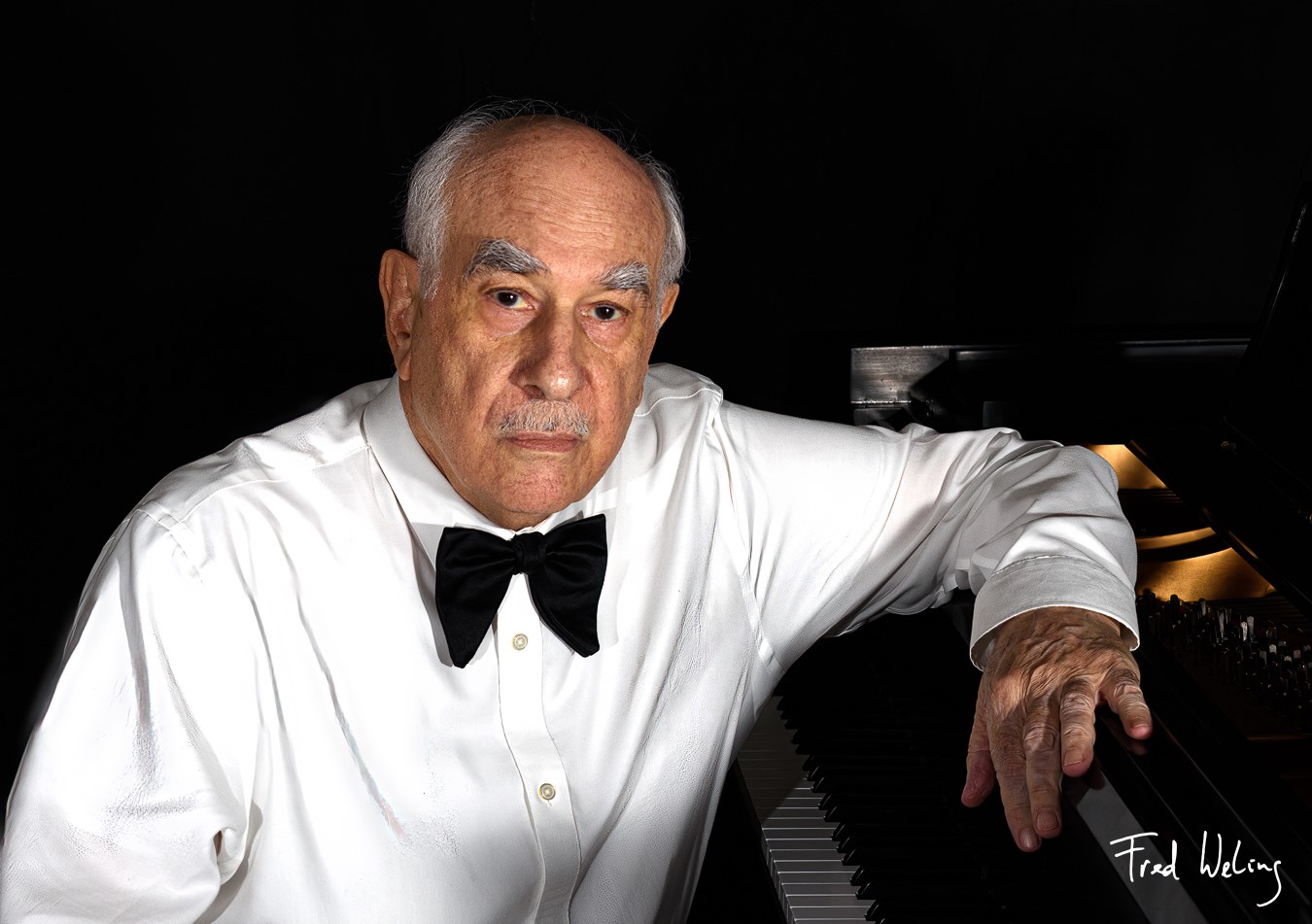
Dr. Pagano has served on the juries of numerous international
competitions in Portugal, Switzerland, Singapore, Brazil, the
United States, and Panama, including the Panama International
Piano Competition (for 2012, 2014, and 2016) and the Steinway
Piano Competition in Asia and the United States (for 2010, 2012,
2014, and each subsequent year).
He is also a member of Doctoral Committees in Portugal, the US, Spain, and Switzerland.
Among the awards he has received, the Eldorado Music Award stands out, as he won the second edition of this competition, which had been won by João Carlos Martins the previous year.
He has participated in festivals such as the Miami New World Festival, the Washington Inter-American Festival, Montpellier, Tournon, Americano de Grenoble, and Chambéry.
He is also a member of Doctoral Committees in Portugal, the US, Spain, and Switzerland.
Among the awards he has received, the Eldorado Music Award stands out, as he won the second edition of this competition, which had been won by João Carlos Martins the previous year.
He has participated in festivals such as the Miami New World Festival, the Washington Inter-American Festival, Montpellier, Tournon, Americano de Grenoble, and Chambéry.
His repertoire spans the traditional European canon but he also ventures into less frequently performed works such as Bartók's demanding Piano Concerto No. 2, Alban Berg's Kammerkonzert and Arnold Schoenberg's Piano Concerto.
Pagano has also premiered important works by contemporary composers such as Henri Pousseur, José A. R. de Almeida Prado, Gilberto Mendes, Paulo Chagas, Willy Corrêa de Oliveira, and James DeMars.
His stylistic versatility is reflected in his choice of repertoire in each country where he performs, for he has frequently introduced works by Villa-Lobos, Pousseur, Camargo Guarnieri, or Almeida Prado to German audiences.
And Brazilian music, which is often regarded as more exotic by international pianists and typically represented by 20th-century nationalist composers like Villa-Lobos or Guarnieri, has frequently taken center stage in Pagano's career.